To Murder a Poet
Dedicated to Renee Nicole Good, murdered by ICE on January 7th, 2026
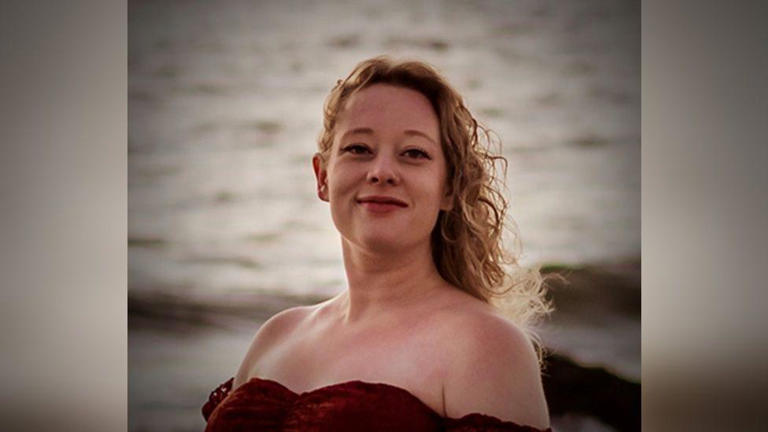
What happens when a warrior is slain?
Witnesses left in tears
shock
pain
screaming, “What have you done?”
In death
that warrior emerges from behind the cloak of brutality.
Her words flow freely now,
unstoppable
no longer bound by tyranny.
She becomes mythological verse.
Her words rise from blood-soaked dust––
becoming oxygen
breathed in by her comrades in humanity.
When a warrior is slaughtered, she becomes a martyr.
That martyred poet
becomes a poem––
Sorrow wept into a gentle wind
spoken by devotees
that quiet wind becomes a tempest.
You can’t stop poetry
it whispers
sings to the rising sun
howls at the moon.
The warrior turned martyr––
Poet who becomes a poem
is now an unstoppable invisible force.
She turns her ghostly face to the perpetrators
points her spectral finger,
and says,
“See what they have done.”
And those words
like soul-rotting guilt
will float along the breeze
heavy
until they land on the intended one.
…. See what they have done.
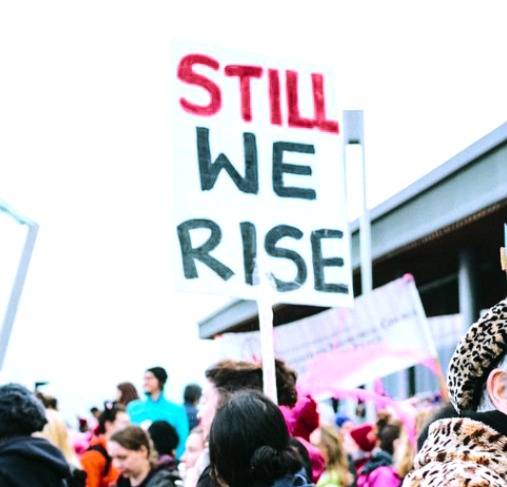
Rest in peace, Renee. Rest in peace.
The Women of BEYOND THIS WICKED REALM
My novel, for which I am seeking representation, is titled BEYOND THIS WICKED REALM.
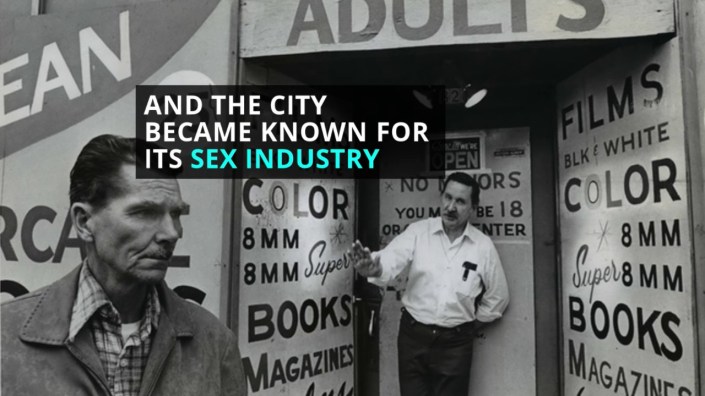
In 1970s, Portland Oregon, when stagflation met disco-mania, Portlanders seeking liberation from urban blight, lights out orders and ambushed pipe dreams turned to sexploitation. Mary’s Club, which features prominently in my newly completed novel, and other strip joints packed in customers. X-rated theaters and bookstores of the ADULT sort exploded around the city. To learn more about the background, please read my previous post titled, Mama Told Me Not To Come.
Below is a brief glimpse into the brave women in the story.
In 1972, Portland Oregon, four women—a Holocaust survivor, a mobster’s daughter, a drug dealer’s abused girlfriend, and a lady-scholar turned drifter—form an unlikely sisterhood in a fight for survival against Portland’s illicit porn and drug trades.
In Portland Oregon, our protagonist, Etta Broussard, has stopped taking her decades-long prescribed Valium drugs. Etta, a forty-five-year-old Holocaust survivor who views the evil in her world through the prism of The Lord of The Rings––suffers greatly from past trauma.
When Etta discovers that her neighbor is a pornographer and an inhuman monster, like Tolkien’s Orcs and Wargs in the concentration camps of her youth, she is dragged back into her nightmares. She vows to stop him from doing what the Nazi’s did to her. Her fervent mission launches the story.
Etta is a devotee of Tolkien’s work, sharing its message like a missionary on fire. She inspires these abused women to discover shieldmaiden-like courage in a battle with the criminal underworld.
When Etta meets fifty-year-old Ireland Ó Luain in a downtown Portland park, they become fast friends and form an unlikely sistership. Ireland becomes a big sister to Etta. Once a professor of women’s studies at Portland State, erudite and wise, Ireland now appears to be living rough on the streets of Portland. She pushes a grocery cart of her belongings around town and dispenses hard-earned wisdom.
Ireland considers herself as Persephone, sent to the underworld–a mental institution–for accusing a powerful man of rape. The commitment of a troublesome woman was acceptable in a city controlled by wealthy men. Cast into darkness, she now seeks to find her way back into the light.
Etta and her husband own a neighborhood bar. Two young friends, Maxie and Neva, are regulars. They offer Etta a bitter-sweet glimpse into the life of a normal twenty-something woman, laughing with friends, beautiful and confident. The life that was taken from her when she was sent to a concentration camp at fourteen. She adores them like daughters she never had.
One of the beautiful young women is Maxwell, ‘Maxie’ McGee, the twenty-three-year-old daughter of Portland’s most notorious gangster. Victim of her father’s increasing alcohol and drug-fueled rage, she longs to escape his wicked world and have a life without goons, corruption and murder. But she is terrified to go against him. She and Etta develop a sacred bond; Etta is the only person Maxie has found who knew her mysteriously disappeared mother. Maxie loves Etta as a symbol of her beloved mother, who she believes was murdered by her father.
One day, while sitting in the park, Etta and Ireland meet young Cleo Dubois. Cleo is a sixteen-year-old unwanted child, and now unwitting girlfriend of a violent drug dealer who works for Maxie’s mobster father. Etta saw darkness like these men in the camps: the SS had those dark souls—the most malevolent Nazgûl. They vow to save Cleo no matter what it takes.
After Etta makes a dreadful sacrifice, Ireland rescues Cleo. She hides Cleo away from her abuser and ushers her into a life Cleo never dared dream: family, friends, and a home of her own. Ireland mentors Cleo about surviving the darkness, then embracing life as it is, and thriving. And that thriving means fighting back, embracing her innermost shieldmaiden as Etta taught them. While mentoring and saving Cleo, Ireland finds redemption.
After Etta’s shocking brave sacrifice, Maxie ruminates on her many illuminating Tolkien-esque conversations with Etta and decides to embrace her inner shieldmaiden. She takes action to end her father’s wicked dominion over the city through drugs, pornography, and more.
****
Next time, I’ll share a brief glimpse at the men in BEYOND THIS WICKED REALM: a mobster and his brutal, devoted lieutenant, a truth-seeking reporter (and love interest), and a mortician with a strong sense of justice.
Thanks for reading. Please LIKE and share.
And if you’re an agent who is interested in BEYOND THIS WICKED REALM, please contact me.
2 responses to “The Women of BEYOND THIS WICKED REALM”


Author, Storyteller, Poet, Instructor
Mama Told Me Not To Come
Yesterday, while writing in a coffee shop, a stranger decided to join me. Despite my suggestive glance at the room full of unoccupied tables, she plopped down at mine. “You’re a writer,” she said. And then she proceeded to interview me about the who, what, when, and where that inspired my newly completed (not yet published) novel…. I got over my annoyance and had an interesting conversation, which ultimately inspired this blog post and future posts. I explained to my curious new friend ….
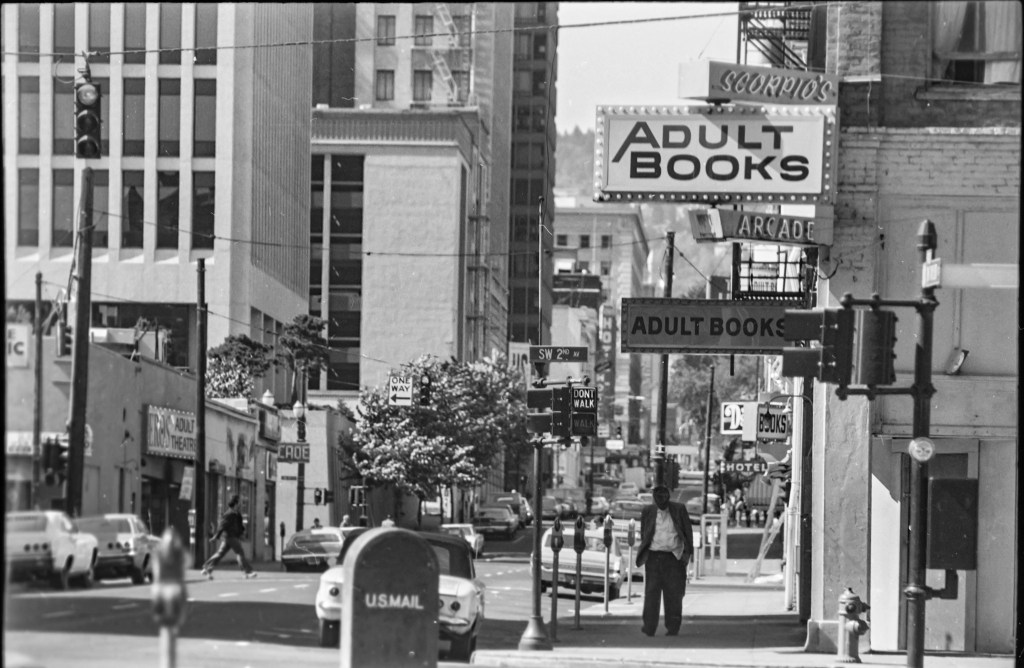
In 1970s, Portland, Oregon, when stagflation met disco-mania, Portlanders seeking liberation from urban blight, lights out orders, and ambushed pipe dreams turned to sexploitation. Mary’s Club, which features prominently in my newly completed novel, and other strip joints packed in customers. X-rated theaters and bookstores of the ADULT sort exploded around the city.
It was a boom era fueled by relaxed obscenity regulations that led to porn palaces and live performances that ruled the neon landscape. Ultimately, The Oregonian Newspaper, where my grandfather worked, named Portland “the pornography capital of the West Coast.”
Religious cults, Vietnam protesters, and abortion rights activists heralded signs on every street.
The day before my fifteenth birthday, Grandpa pulled me aside at the Oregonian. “A lot of things aren’t making it into the paper,” he said in a solemn tone. “We got crooked cops, racketeers, editors on the take,” he whispered. “Pretty girls like you are in danger.”
He explained in one wide-ranging account how girls my age were easy prey, often collateral damage in a metropolis run by the mob. And how Portland’s corrupt politicians had earned a new moniker for The City of Roses; the vice capital of the northwest. Police corruption extended further than pacifying Teamsters on the docks; it was citywide. The thriving narcotics trade enticed officers to look the other way while their palms were greased and young girls vanished from the streets.
Grandpa never spoke to me about such shocking (to my naive sensibilities) issues. So, I listened.
Planted deep within grandpa’s warning that day were the seeds of my novel, Beyond This Wicked Realm to follow some fifty years later. For which I am seeking representation.
Grandpa made sure I had a bus pass, a library card, and books; the classics on which he expected a verbal book report. In his way, he was making sure his teenage granddaughter was too busy to go looking for trouble. Nonetheless, trouble was around every corner looking for her.
After school, a couple of days a week I worked for my dad in downtown Portland, just a few blocks from the Oregonian. I rode the bus into the city past businesses with handwritten signs in dark windows (victims of the governor’s lights-out orders), gas stations with NO GAS signs at the curb, hippies sleeping on park benches, and the yeasty smell of the Henry Weinhard Brewery that permeated everything. I leaned my head against the bus window and studied the girls walking up and down Broadway and Burnside. Some were my age, even younger; black fishnet stockings, black raccoon eyes, and faux fur cropped sweaters, sashaying down the streets, unsteady on their platform shoes. At ten in the morning, they already looked like they had been out partying and drinking all night. Maybe they had. I didn’t know. My grandma called them the lost girls. All I knew was that I never wanted to get lost.
One day when I got off the bus, as I hurried through a group of shouting Vietnam War protestors, a man grabbed me. He had an Afro the size of a beach ball, wore a long black leather coat, and dark glasses. He towered over me. At first, I thought he was one of the Black Panthers, though they normally weren’t in that part of the city. I was terrified. I didn’t speak.
Then he let go of my arm and said, “Hey foxy mama, you a stone fox.” He looked me up and down.
My eyes burned with tears, but I stood paralyzed.
“We could make some moolah,” he said, rubbing his fingers together.
But then, a woman who looked to be my mom’s age slammed his head with her protest sign and shouted, “PIMP! Leave that child alone.” When she did that, a group of protesters ran over to us, shouting, “Police … PIMP!”
That woman turned to me and said, “Honey, you should run now.”
Like Forest Gump, I bolted and ran all the way from 3rd and Washington to 11th, without looking back or stopping for traffic. People honked and shouted, but I didn’t care. I ran to the safety of my dad’s shoe repair shop on 11th. I never told Dad why I was out of breath and crying that day. He gave me a cup of tea and suggested I go read my book in the back of the shop for a while. He no doubt figured it was ‘that time of the month.’ It wasn’t.
It was the first time I was ‘approached’ by a pimp, but it wouldn’t be the last. They were on every corner trying to recruit girls for strip clubs, and worse, much worse. One day, when I left the Multnomah Library on 10th street, carrying my homework books, a man in a black car at the curb offered me three hundred dollars––in today’s money that’s over $2000.00–– to dance in a cage that would be hanging from a ceiling in a local nightclub. I backed away, turned, and ran like that protestor woman told me to do. I wasn’t going to freeze and cry again. I ran.
Being a teenage girl in 1970s Portland was like being a gazelle pursued on an open tundra to the soundtrack of Three Dog Night’s, Mama Told Me (Not to Come). I learned to run, hide, seek shelter, and NEVER talk to men in parked cars at the curb.
I had a few safe havens, good people around me, shelter, and some good sense handed to me by my family. I survived, but many didn’t.
I wrote this novel for them, the lost girls, those who didn’t make it out and those who did make it through the darkness to the other side.
This is the environment for my current novel, titled Beyond This Wicked Realm–In 1973, four women—a Holocaust survivor, a mobster’s daughter, a drug dealer’s abused girlfriend, and a lady-scholar turned drifter—form an unlikely sisterhood in a fight for survival against Portland’s illicit porn and drug trades.
That highlights some of the backdrop for my novel. In an upcoming post I will share my characters, women I’ve grown to love, mentors I wish I’d had, and lost girls I knew.
Leave a comment
Autumn Poem
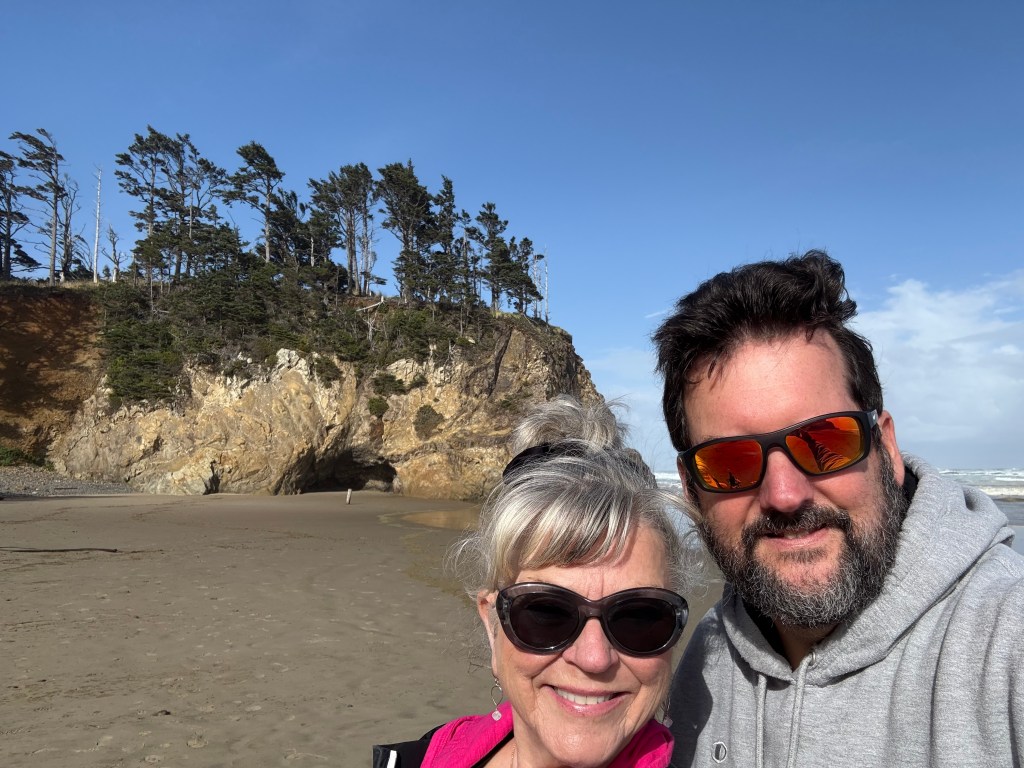
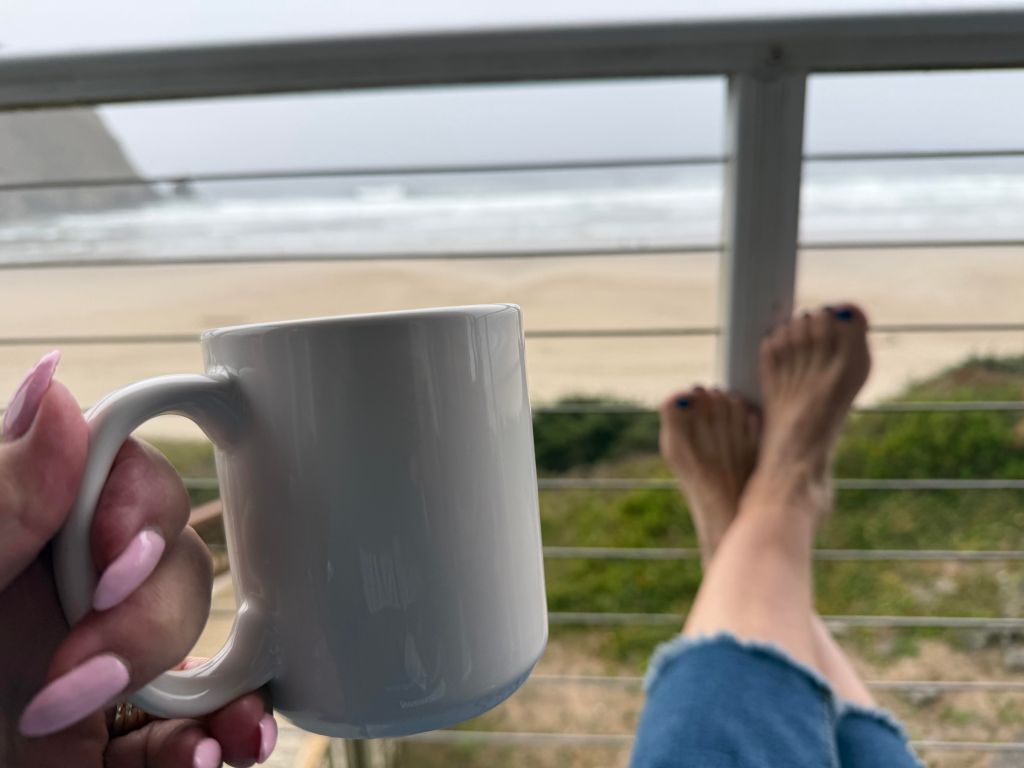
I’ve just returned from our annual trek to Cannon Beach, Oregon. While there, I pondered Autumn and all the many spiritual and physical meanings and consequences of the season.
‘Autumn’ was the monthly prompt from our Edmond’s poetry group leader, author, Gerald Bigelow. I wrote several poems sitting on my deck overlooking Haystack Rock. I love to write #poetry while on vacation. It gives my brain a break from novel #writing and the relentless search for an agent.
I’ll share this short one with you, shockingly titled Autumn.


Autumn
Thoughts
Traverse
Beachy memories
Lost to long days
––now shortened
In search of a warm hearth ablaze
To reminisce on sun-splashed
Nostalgias
––lingering
Only to melt against life’s bonfire
Of lost days.
Autumn leaves above my head
Turn
Swirl
Soar
On the wind
And fall like summer memories
To their final feathery bed.

 Mindy Meyers-Halleck
Leave a comment